OpenAI $100 credit for students
https://chatgpt.com/codex/students/Agentic Computing Apprenticeship
Agentic Computing Apprenticeship

Thursday, September 10: Set the stage for the course with an introduction to its goals, topics, structure, and expectations. Introduce the overarching framework for building software with AI: Intent → Specification → Context & Tools → Construct → Verify → Deploy & Improve. Discuss how human judgment and AI agents work together throughout this cycle and how it will guide our work across the course.

Tuesday, September 15: Intro to OpenAI Context - Build a durable prompt/context, compare weak and context-rich prompts, and measure how verified instructions improve Codex plans and code changes.

Thursday, September 17: Generate a Data Analysis Dashboard for C-Suite.

Tuesday, September 22: Design and implement a narrow external-API tool with explicit schemas, safe configuration, normalized errors, mocked tests, and clear retry behavior.

Thursday, September 24: Turn messy events into a staged, schema-validated data pipeline with structured logs, deterministic failure handling, and reconciled run summaries.

Tuesday, September 20, APIs and Data Pipeliines, give an agent durable memory using SQLite, D1 CloudFlare

Thursday, October 1:: Design Frameworks, where does AI fit?.

Tuesday, October 6: Create and evaluate a focused Codex Skill that packages a repeatable repository workflow with clear triggers, boundaries, verification, and supporting resources.

Thursday, October 8: Build a small retrieval pipeline, compare chunking and ranking strategies, require cited answers, and evaluate correctness and abstention on a frozen question set.

Thursday, October 15: RAG Systems and Embeddings.

Tuesday, October 20: Threat-model an agent, enforce tool permissions and confirmations in code, redact traces, and test defenses against prompt injection and unsafe actions.

Thursday, October 22: Create a provider-neutral model interface with explicit fallback policy, retry and usage budgets, telemetry, and parity tests across providers or test doubles.
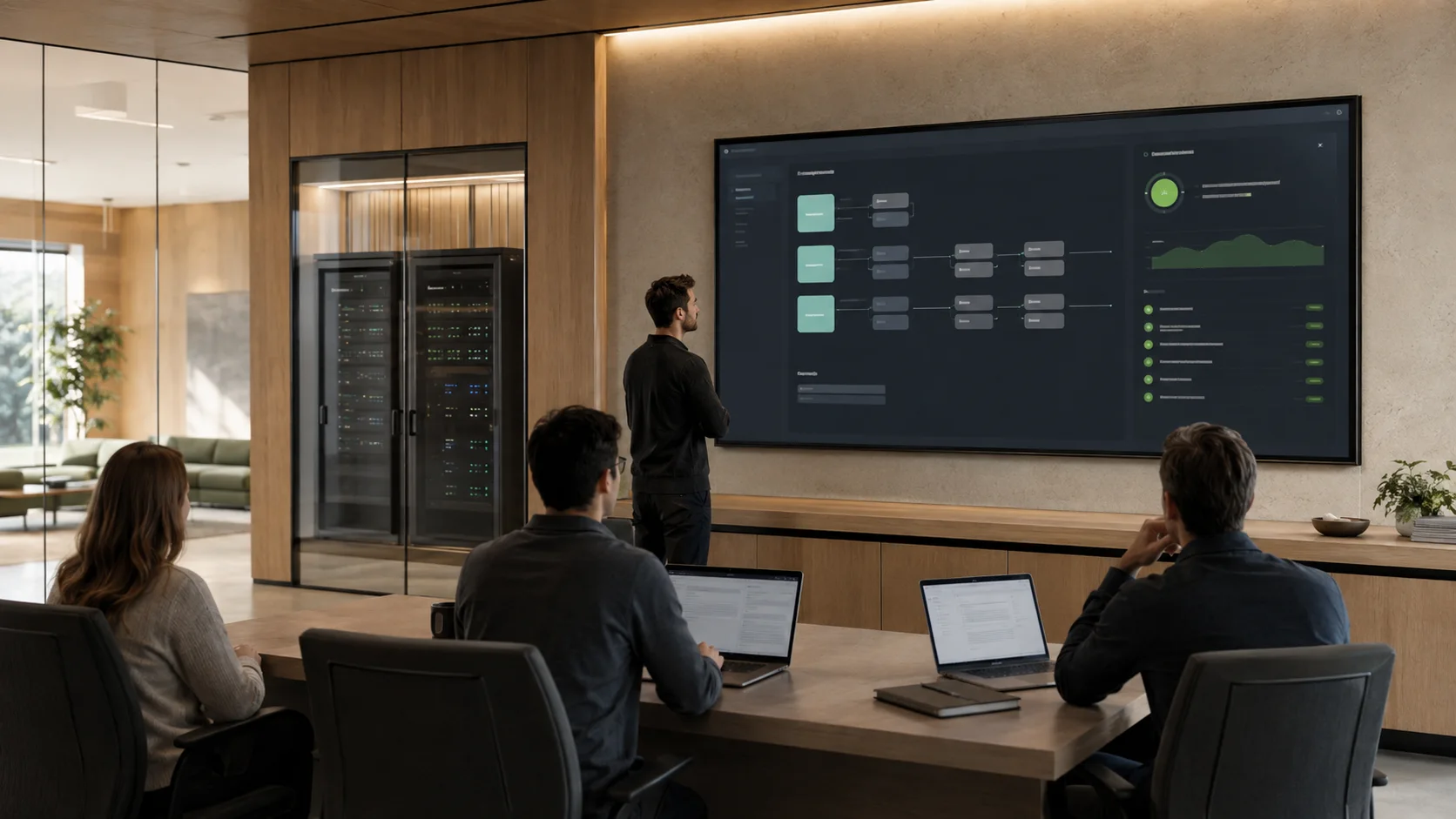
Tuesday, October 27: Wrap an agent in a thin API or user interface with visible job states, safe configuration, health checks, reproducible startup, and an end-to-end test.

Thursday, October 29: Launch the one-month team project with a validated user problem, bounded agent authority, architecture and risk records, a four-week backlog, and one working end-to-end slice.